










by NEVIL GIBSON
Japan is a giant in the world of animation, but has followed
a different path from Hollywood’s pioneering Walt Disney and,
more recently, the use of computer generation by Pixar and others.
Although what is called anime has become a popular medium in graphic novels (manga), video games and even toys, the cinema side of the art is less well known.
mid-1990s. It attracted international attention, largely through
an association with Miramax Films and, later, Disney.
Worldwide distribution made Ghibli’s Princess Mononoke a huge success and it was followed by Spirited Away, which was even bigger and the first anime feature to win an Academy Award (for 2001). It
is considered a masterpiece of the genre and remains Japan’s
biggest grossing film, ahead of even Titanic.
Its creator, Hayao Miyazaki, has achieved recognition in many other awards but, at the age of 73, has announced his retirement.
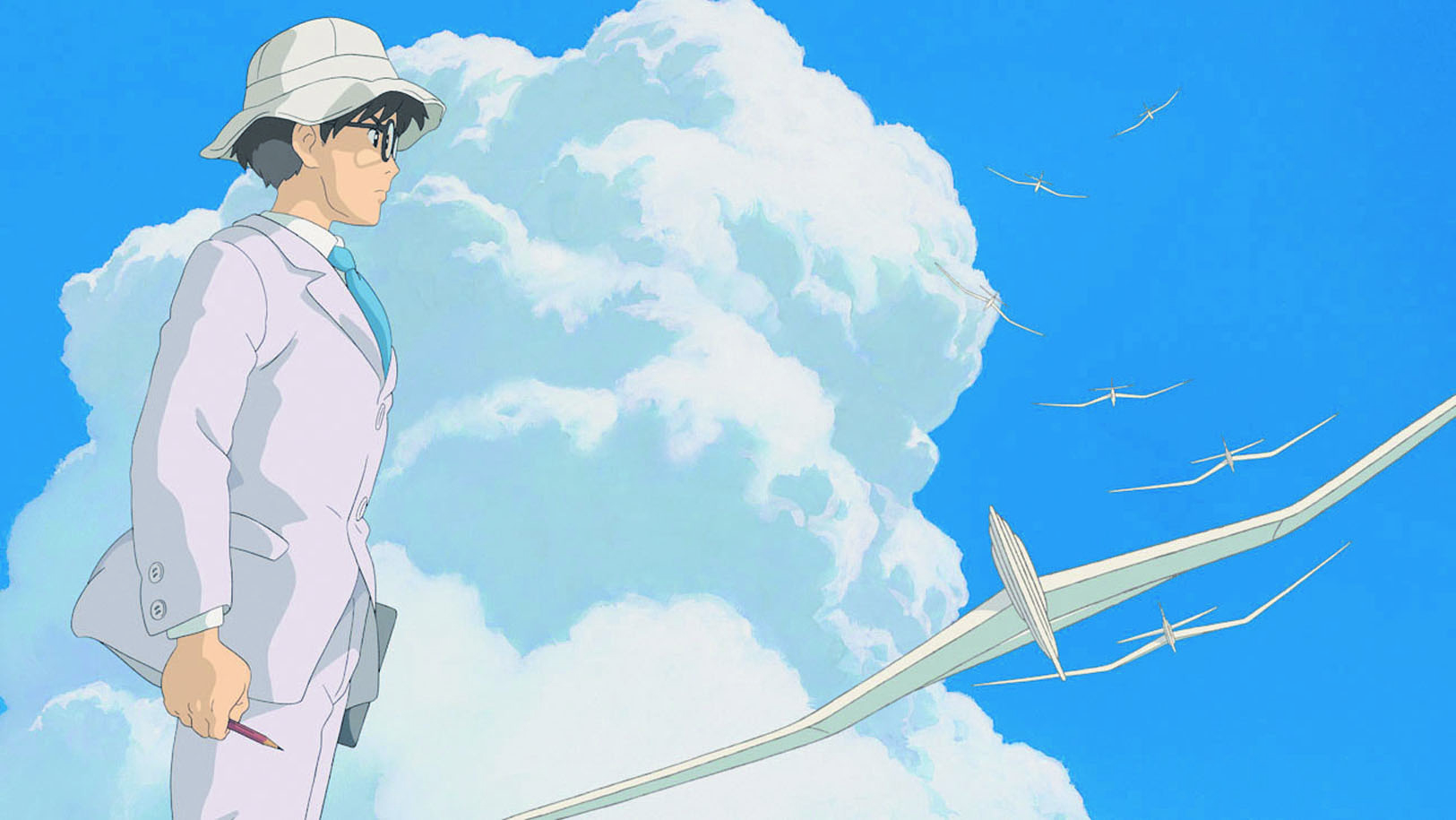
His final work is The Wind Rises (Madman) and is on limited cinema release. But if the past is any guide, it will become a DVD and TV classic, as have the two earlier mentioned films.
But this time, Miyazaki has not created a fantasy entertainment
that is primarily for younger audiences — though all his films have general appeal.
In fact, The Wind Rises is not aimed at the young at all.
It is a summary of the major events that shaped the lives of recent Japanese generations in the first half of the 20th century.
It covers the early embrace of Western technology, the Great Kanto Earthquake of 1923, when Tokyo was devastated by fire, the Great
Depression, the tuberculosis epidemic and, finally, the Japanese
military buildup, which launched the invasion of China and then Japan’s involvement in World War II.
These are all background to the story of Jiro Horikoshi, who grew up obsessed by aircraft design and a career that led him to develop the lethal Zero bomber.
Yet even this story is part of a larger one about Japan’s evolution
from a nation locked in the past to one of trying to catch up with more advanced countries such as Germany, Britain and the United States.
Make no mistake, though, Miyazaki is an anti-militarist and devotes much of the Horikoshi’s early years to his seduction by the grand visions of Count Caproni, an Italian designer of giant flying machines for non-military purposes.
Later in the story, Miyazaki introduces a shady character, who
is drawn from Thomas Mann’s The Magic Mountain and who presciently
warns against Japanese militarism and German Nazism.
These deep issues are leavened by a personal drama of Horikoshi’s (fictional) romantic relationship with a girl whom he helped in the earthquake and later marries.
These many layers are depicted in breathtaking, hand drawn animation that can only be criticised for being visually too overpowering for a lengthy film. A must-see for anyone interested in animation.
Rating: Parental guidance (mild themes); 126 minutes.
Visual feast from Japanese master

Featured News
- All
- Catholic Events
- Catholic News
- Featured
- Featured Catholic News
- International Catholic News
- New Zealand Catholic Opinion
- News
- Reviews New Zealand Catholic
More

Emergency housing provider James Liston Hostel to be upgraded
The James Liston Hostel, the only emergency housing provider in Auckland’s city centre, will be getting a $4 million refurbishment that will start in March and will be completed...