










by SUSAN FOGARTY
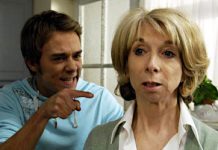
When I wrote this article I was sitting on my couch with my feet up, just enjoying a quiet evening with my telly, happy in the knowledge that TVNZ had come to its senses and put Coronation Street back to 7.30pm two days a week so I can finally stop missing it, or watching it on demand.
I also had, by some miracle, managed to get hold of the remotes, and decided to watch Behind Mansion Doors, a show screening on Sky Channel 71 detailing murderous, greedy, rich people. The key difference between this show and other such shows is that on other programmes people murder for money, because generally they have none. On this show rich people kill because they want to be even richer.
This particular episode was about Joe Hunt, an American man who spent a great deal of time and energy stealing money off people, before eventually murdering two. If he’d spent as much energy working he would have been a millionaire off his own bat.
One of the things I enjoyed about this programme is the way it’s put together. It keeps moving along. So many documentaries spend half the time recapping what they’ve just told you. It’s like they think viewers have the memories of a goldfish.
Recaps on Behind Mansion Doors were few and far between, viewers were constantly engaged, so I never needed to roll my eyes at yet another recap.
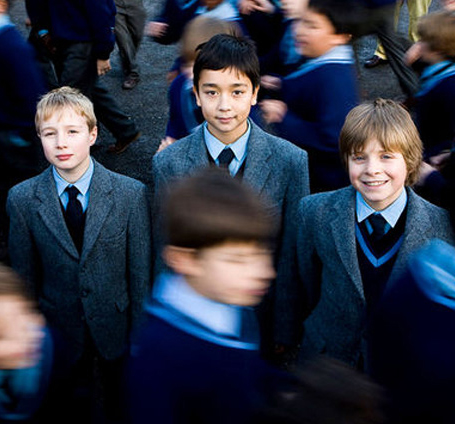
In contrast to this show was one that, well, shocked me. Britain’s Youngest Boarders followed kids at a privileged “public” boarding school, Sunningdale. I was horrified to see that parents are still sending off their young kids to schools like this. One child had come from Shanghai; his parents flew over to drop him off! He was 10.
This child’s mother clearly didn’t want to send him to this school, but her husband had been there and so shipped his son off too.
I’m not saying these kids were unhappy; they seemed happy enough. But it just seemed so odd. I didn’t have kids just to send them off at the first opportunity to be raised by other people. A seven-year- old is still a child to me.
One poor child they interviewed was very upset; the school were nice to him. He was told, in a very kind but stiff upper lip way to suck it up and get on with it. But this wrench from his family seemed pointless. The child was seven — barely out of nappies!
One mother added, “Having children is the process of letting go. This is just part of him finding his own way in the world.” I agree that kids grow up, but it happens naturally when they turn 13, wake up one morning and look at their parents like they’re something on the bottom of their shoe. That’s when they naturally start to grow away from you.
I personally believe there’s something unnatural about wrenching children from their parents, forcing bonds to be broken at an age when parents are the ultimate teachers and nurturers.
How do you teach a child about your ethics, your moral code, if they’re off 40 weeks a year with other people?
These kids came across as strange miniature adults as they stood out on the school golf driving range, talking about this and that and referring to each other by surname, like old English military generals.
So two fascinating documentaries that got me thinking, which is always a good thing.
Perhaps I need to get hold of the remote more often!
Thinking — it can only be a good thing

Featured News
- All
- Catholic Events
- Catholic News
- Featured
- Featured Catholic News
- International Catholic News
- New Zealand Catholic Opinion
- News
- Reviews New Zealand Catholic
More

Emergency housing provider James Liston Hostel to be upgraded
The James Liston Hostel, the only emergency housing provider in Auckland’s city centre, will be getting a $4 million refurbishment that will start in March and will be completed...