









by NEVIL GIBSON
Campaigners for social justice have always done well out of the cinema.
Few filmgoers in their idealistic days will not have been moved to outrage by such classics over the generations as 12 Angry Men (1957), To Kill a Mockingbird (1962) and Silkwood (1983) or the more recent Philadelphia (1993), The Insider (1999) and Erin Brockovich (2000).
In each, an individual stands up against the system and either triumphs or is overwhelmed by the odds.
Such is the case of The Whistleblower (Hopscotch), which, surprisingly for its theme — human trafficking of young women from Eastern Europe — is lacking in gratuitousness and is not afraid to point fingers in the right direction.
In all seriousness, it should provoke a wave of young people to do something about cleaning up international organisations (in this case, the United Nations and its private contractors) that are involved in so-called peacekeeping operations.
Bear in mind, this account is based on real events that occurred in Bosnia-Herzegovina several years after the three-year civil war that followed the break up of Yugoslavia in 1992.
Those depicted occurred as recently as 1999, when just-divorced and money-strapped Nebraska policewoman Kathryn Bolkovac transfers to a contingent of Americans running a UN mission in Sarajevo.
In a parallel story, the film follows some Ukrainian women who are lured by relatives into seeking lucrative work in Western Europe only to find they have been abducted for more sinister purposes.
The plot strands meet when Bolkovac, excellently played by Rachel Weisz (Agora), realises the human smuggling ring, to supply nightclubs frequented by the UN forces, is run by her male colleagues.
While one of the Ukrainian girls’ mothers tries to find out why they have disappeared, Bolkovac rises through the ranks to become head of the UN’s gender office in Bosnia. Eventually, with the help of a senior UN diplomat (Vanessa Redgrave in a cameo role), she reports her suspicions.
The rest, as they say, is history, though probably not so well known here. The cover-up has a far from satisfactory outcome and still today the guilty parties have gone unpunished.
First-time writer-director Larysa Kondracki, a Canadian of Ukrainian background, was already researching a film on human trafficking before she found out about Bolkovac, who had moved to live in the Netherlands.
The result is a film that lacks the savvy of the Hollywood productions to which it would like to be compared. While the treatment commendably veers away from sensationalism, it verges on melodrama.
Fortunately, Weisz’s experience adds much-needed gravitas to a role that recalls her one in The Constant Gardener, a film about the dirty dealings in the pharmaceutical drug industry.
These weaknesses should not stop those with a social conscience from being confronted with a real-life drama in which an evil trade largely continues unhindered.
Restricted audiences, 112 minutes.
Good doesn’t always triumph



Featured News
- All
- Catholic Events
- Catholic News
- Featured
- Featured Catholic News
- International Catholic News
- New Zealand Catholic Opinion
- News
- Reviews New Zealand Catholic
More
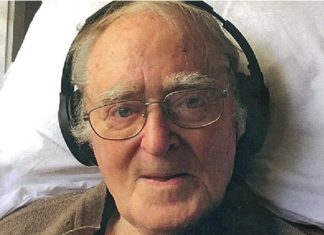
Priest who died at Christmas was buried on birthday
Auckland priest Fr Patrick (Paddy) Collins died on Christmas Day and was buried four days later on what would have been his 86th birthday.
At a Requiem Mass at St...