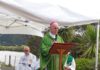











NAIROBI, Kenya (CNS) — Normally, Sunday Mass at Holy Trinity Parish in the Kariobangi slum is an energetic celebration that runs for several hours. But when the pastor, Comboni Father Paulino Mondo, noticed that parishioners were starting to faint before Mass ended, he realised it wasn’t exuberance that was making them weak. It was hunger.
Now Sunday Masses last no longer than an hour and 15 minutes, Fr Mondo told American reporters visiting the slum in October. And the usual socialising after Mass in the shaded churchyard has all but evaporated, as people quickly head home to conserve their energy.
“Within Kariobangi, dozens of people are dying every day,” of hunger, said Fr Mondo. The priest said the situation is not only little known outside Kenya, but is a hidden problem right in Nairobi, where food is available, but tens of thousands of people lack money to pay for it.
“People have lost their state jobs because they talked about it,” he said. One recent Sunday, somebody abandoned two toddlers at the church, presumably because they were unable to feed them, said Fr Mondo. They were being cared for by a parish health worker while inquiries were made about the parents.
Spiralling food prices, low wages and high unemployment have put basic commodities out of reach of many, many people. Since March, the price of sugar has jumped from about $6 a kilo to $12, Fr Mondo said. And although prices are lower in supermarkets in Nairobi, there are only small mom-and-pop shops in Kariobangi.
Massgoers fainting from hunger




Featured News
- All
- Catholic Events
- Catholic News
- Featured
- Featured Catholic News
- International Catholic News
- New Zealand Catholic Opinion
- News
- Reviews New Zealand Catholic
More

Emergency housing provider James Liston Hostel to be upgraded
The James Liston Hostel, the only emergency housing provider in Auckland’s city centre, will be getting a $4 million refurbishment that will start in March and will be completed...