

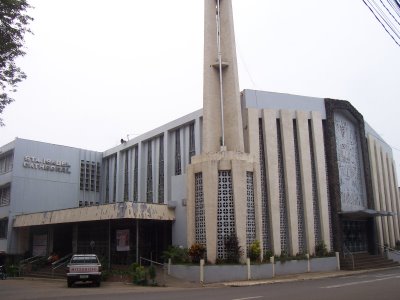
MANILA (CNS) Bishop Martin Jumoad of Isabela celebrated Mass at his cathedral after it was damaged in bomb attacks. “I have texted church members about the Mass for the victims and a candlelighting ceremony at the plaza at 6 p.m. with our Muslim partners so we can show our collective condemnation and yearning for an end to this violence,” Bishop Jumoad told the Asian church news agency UCA News April 13.
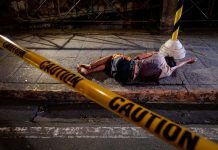
Approximately 25 people, believed to be from the Abu Sayyaf rebels, dressed in police uniforms and killed nine people, including three soldiers and a policeman, in attacks in Isabela, Basilan’s provincial capital. Abu Sayyaf is a militant Islamic group seeking a separate state for the minority Muslim population in the southern Philippines.
Lt. Gen. Ben Dolorfino, commander of the military’s Western Mindanao Command, told reporters that the first explosion occurred around 9:50 a.m. at Isabela City stadium. He said the improvised explosive device was placed on a taxi.
Another bomb was attached to a motorcycle parked at the back of St. Isabel Cathedral; it destroyed the back of the cathedral building and priests’ rooms in the rectory, Dolorfino said.
Bishop Jumoad said two priests there at the time were not hurt.
The bomb planted near Claret College of Isabela did not explode. Teachers were holding a seminar in the Catholic school at the time of the attempted attack.
Bishop Jumoad arrived on Basilan Island by boat with Dolorfino and six priests after the military cordoned off Isabela.
Dolorfino placed troops in nearby Zamboanga City and other urban areas in Basilan on heightened alert to avert possible similar incidents.
He said four civilians were killed by the attackers as they withdrew. The cathedral blast also occurred as they retreated, he said.
Security forces also recovered a bomb in front of the residence of Basilan Judge Leo Principe, but it was detonated by members of the military’s Explosives and Ordnance Division, Dolorfino said.
Principe had ordered the arrest of at least 130 members of the Moro Islamic Liberation Front and Abu Sayyaf in 2007.
However, Dolorfino said the military did not suspect the Moro front, the largest armed rebel force in the South currently negotiating peace with the government.


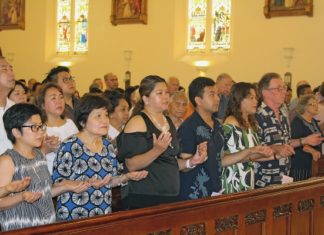


 Bishop Martin Jumoad of Isabela celebrated Mass at his cathedral after it was damaged in bomb attacks.)